Ementa do Dia
You have been keeping other people’s menus since you were nineteen and then apologised for mentioning it — that box is not nostalgia, it is the everyday paper of places that feed people, and after a hundred Sundays Rua da Bica is quietly one of those places. This world prints your dinner the way they print theirs: an ementa, the day’s menu, issued for the eighth of November. Nothing drawn, everything listed.
A room that feeds people every day is equipped rather than decorated, and the paper on its tables is stock rather than styling. Nothing in a tasca was made to be kept — the sheet is printed that morning and cleared that night — which is precisely the argument for printing your hundredth exactly like it. The joke is deadpan: twenty-six friends in a flat, treated with the seriousness of a place that has fed people for eight years, and issued a menu with a service number on it. Nothing about the format is yours. Only the words are.
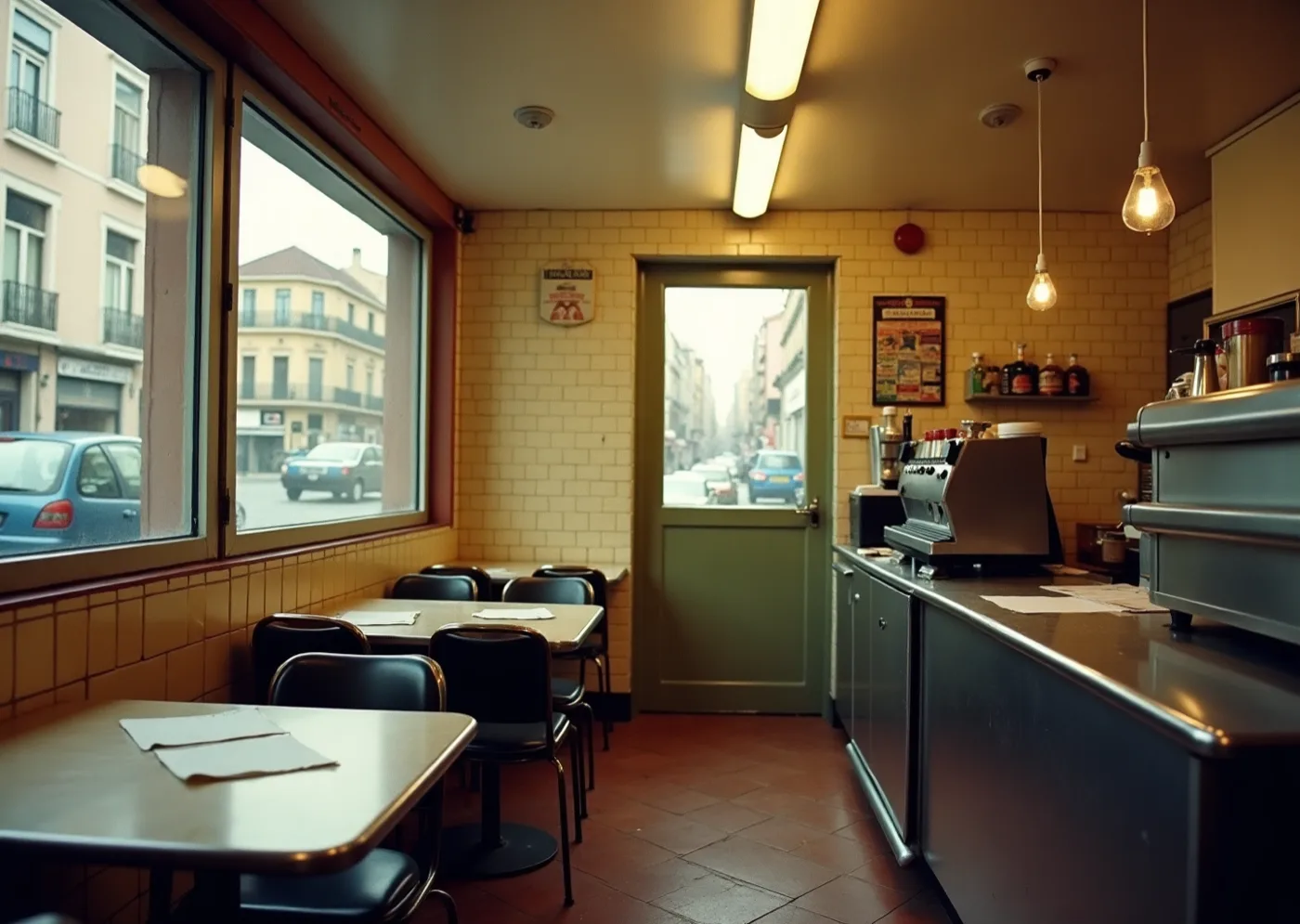
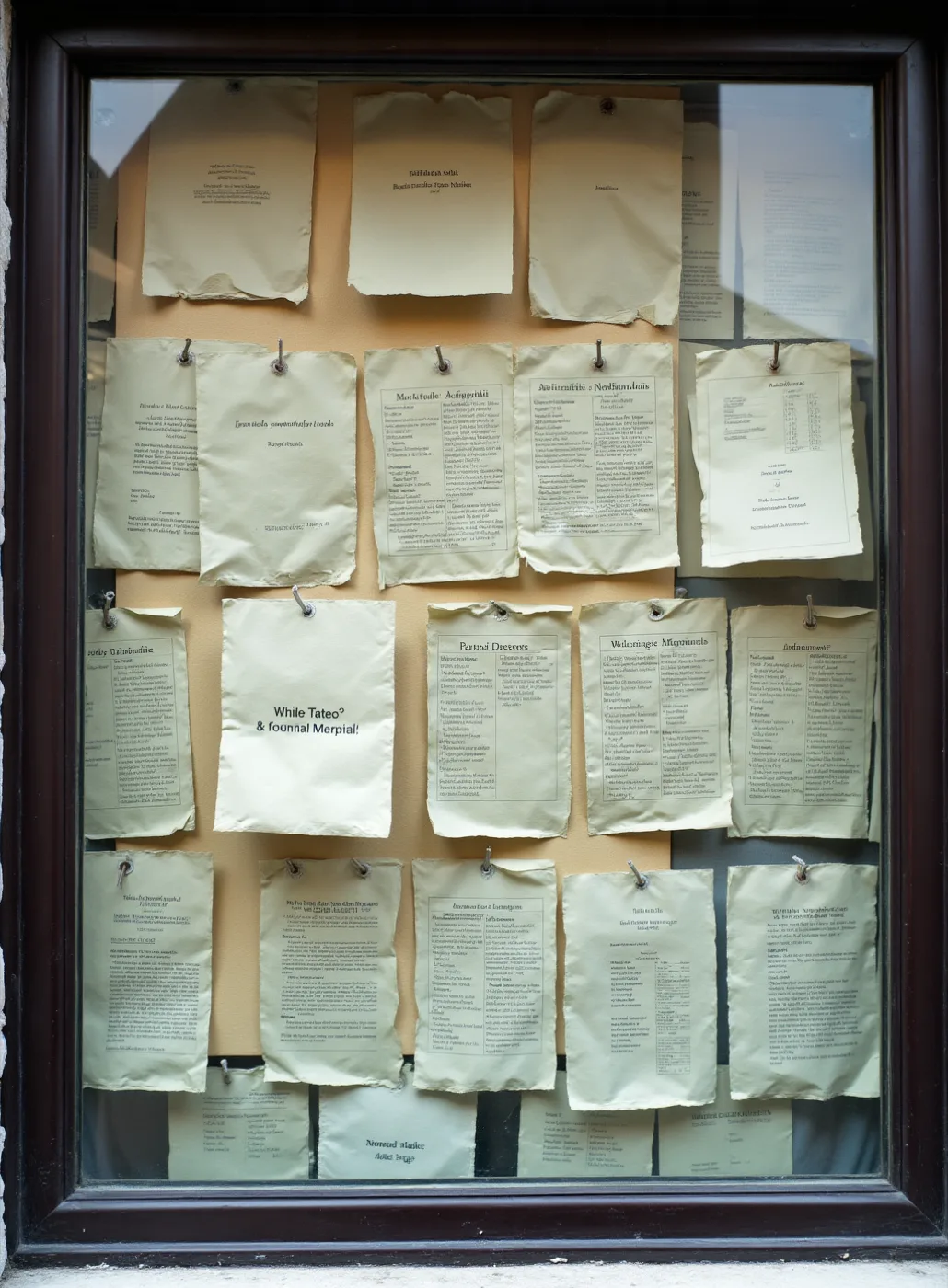
the format — a notice nobody has ever had to be taught how to read
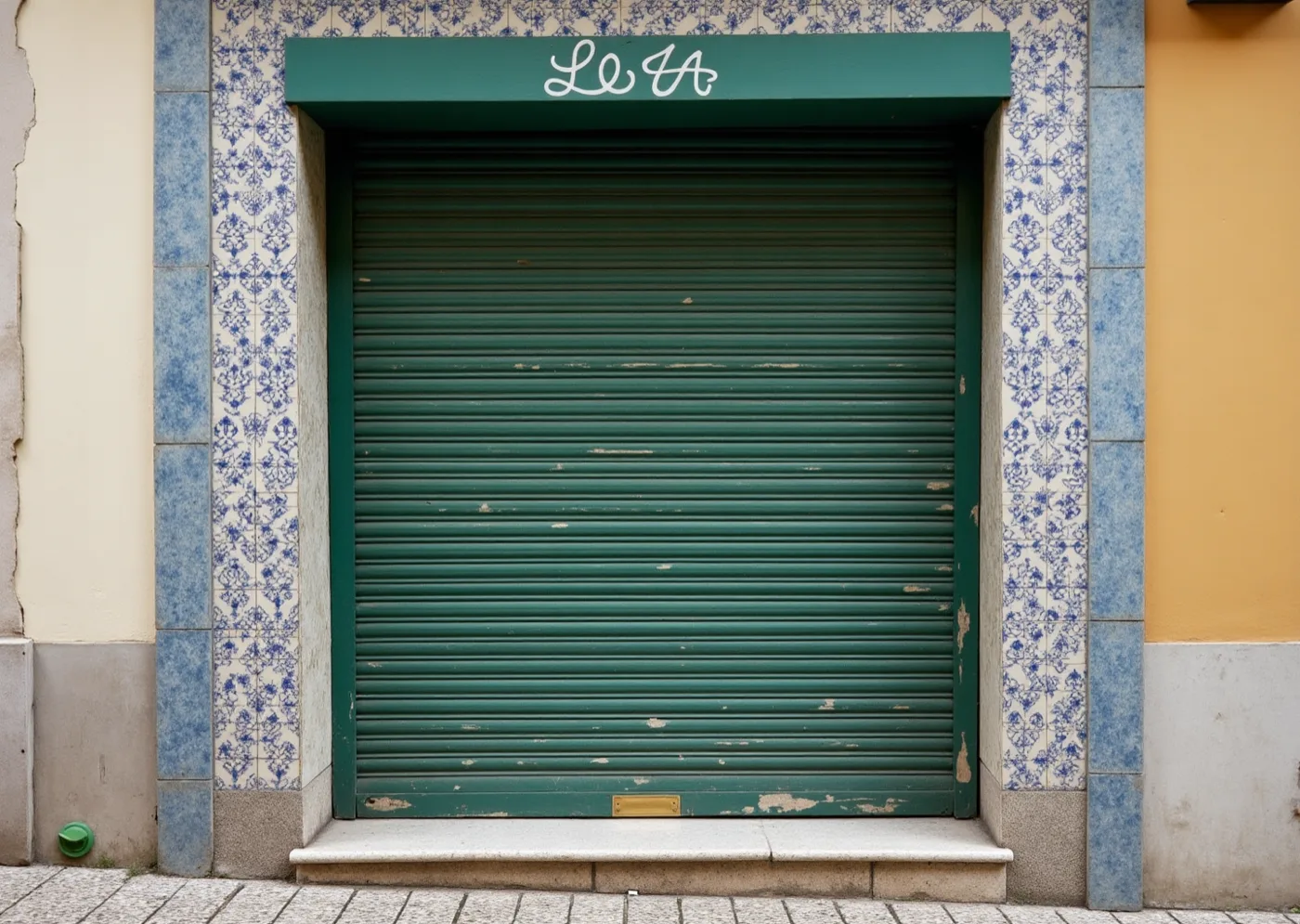
the lettering — condensed, tight, unspaced; painted to fit, not to impress
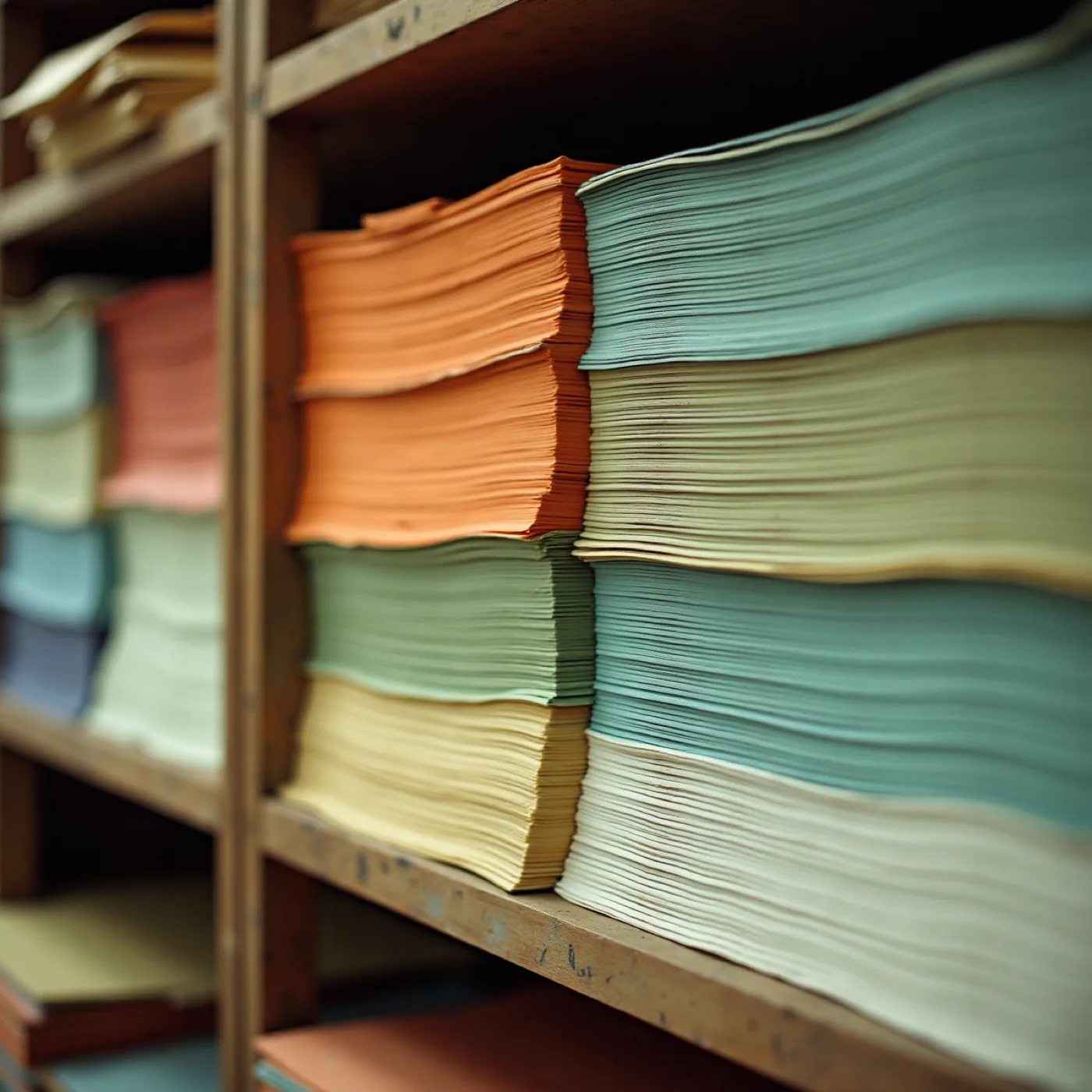
the second colour — bought, carried home and cut, never a second pass
Type specimen · two faces
Oswald — condensed grotesque, never letterspaced
Spectral italic — a printed self-correction, not a reprint
Spectral — plain text serif, tabular numerals, one line
What Lisbon uses to print the things that matter this week.
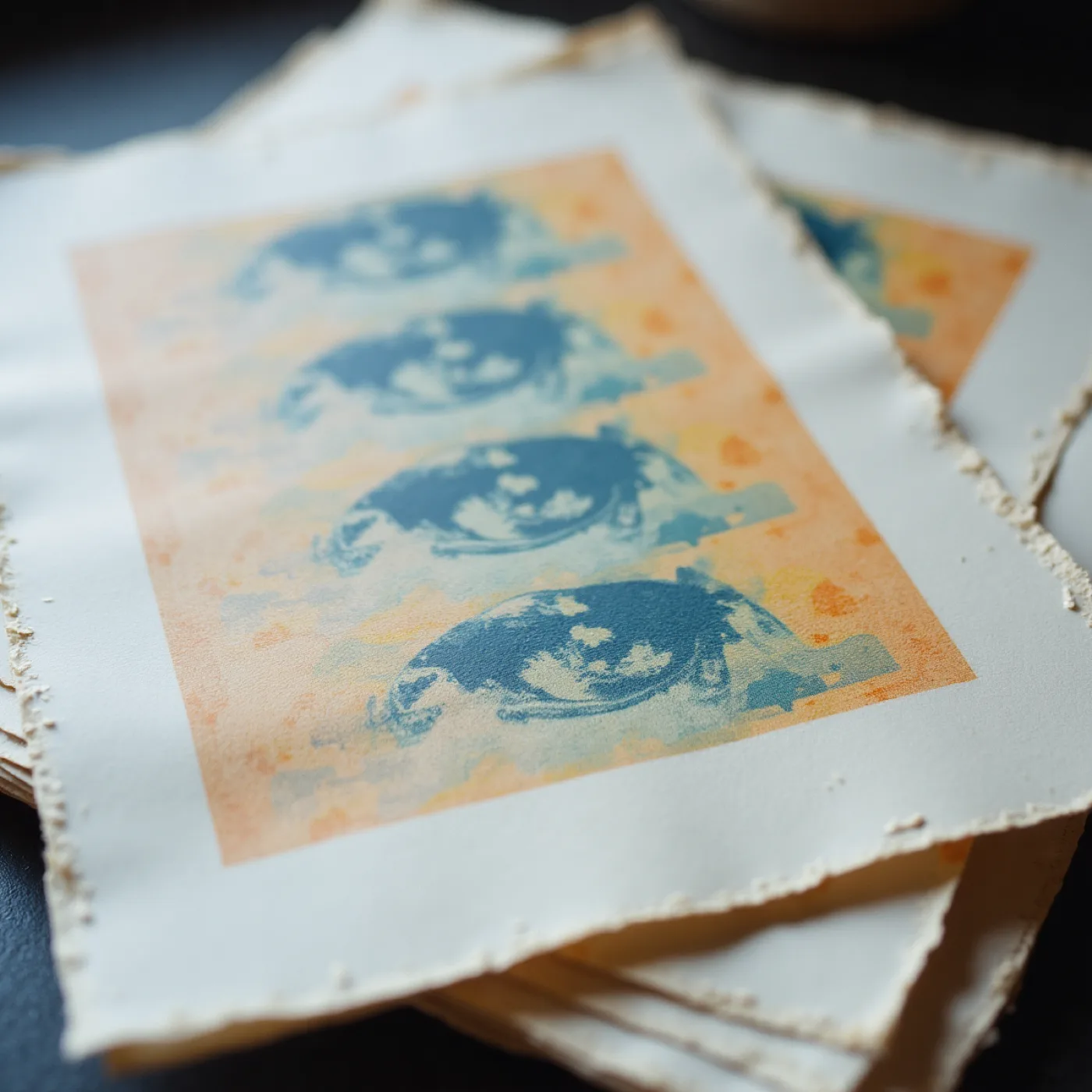
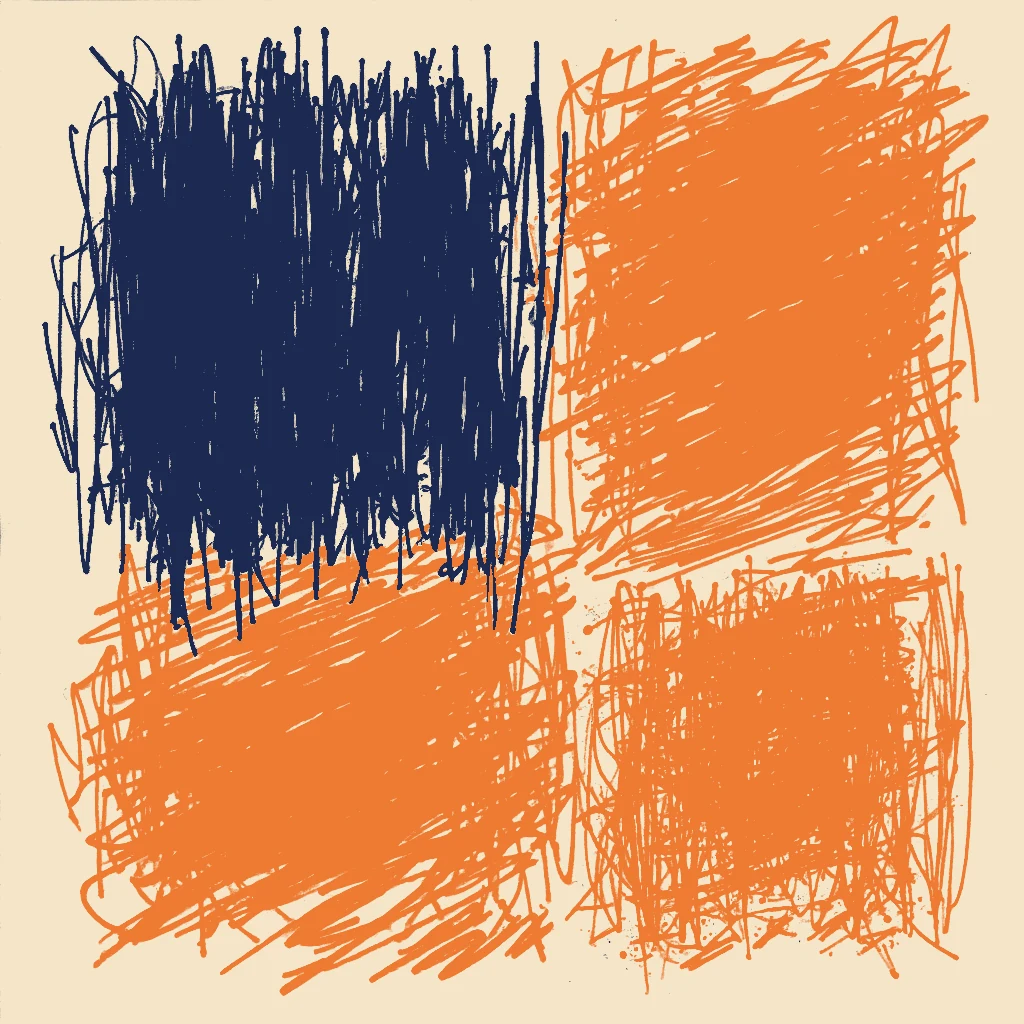
the finish — one ink, out of register, starved into speckle; wanted, not survived
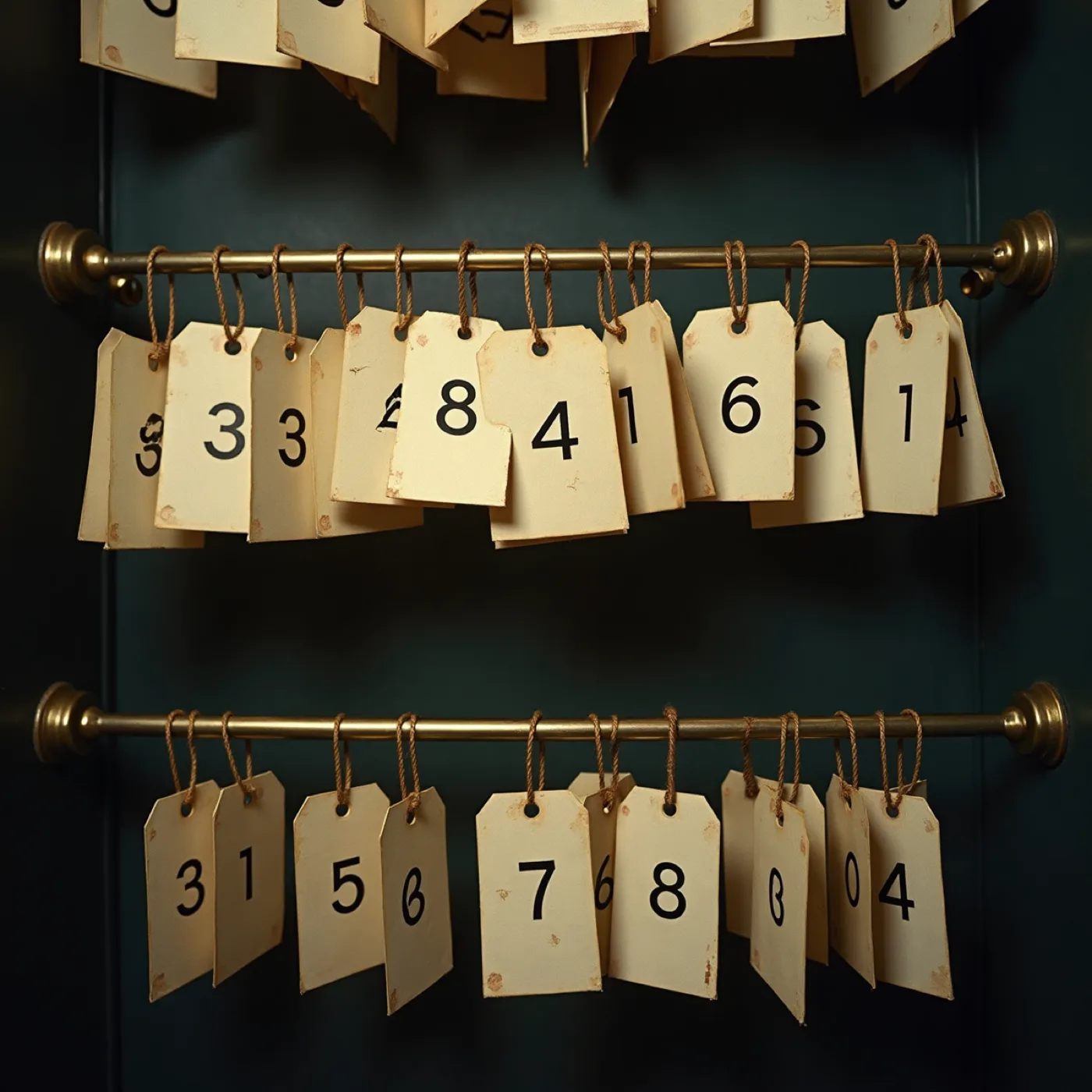
the numbered tag — being issued something confers a place without ranking anybody
the stock — uncoated 120–170gsm, three stock colours, run through a domestic tray
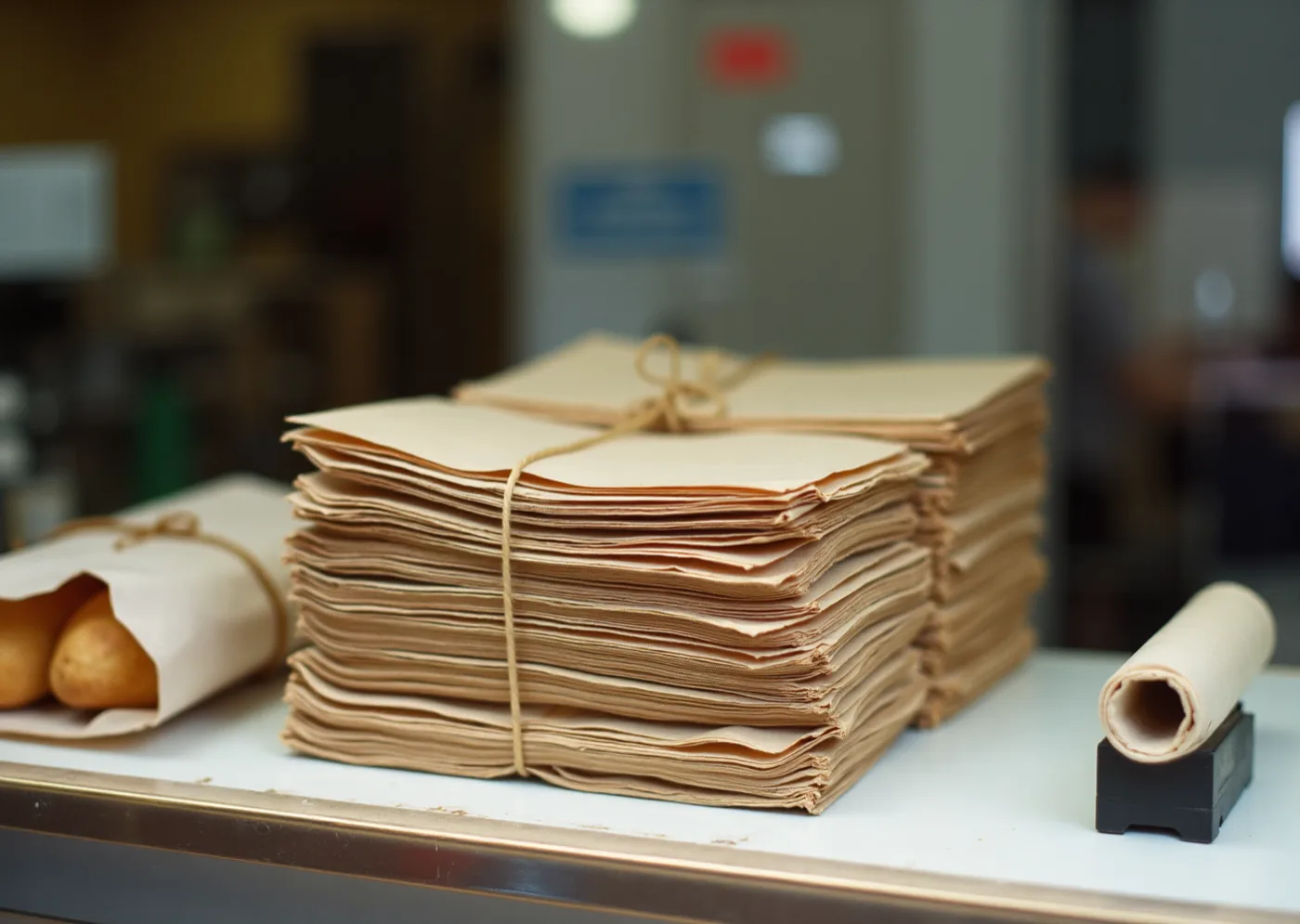
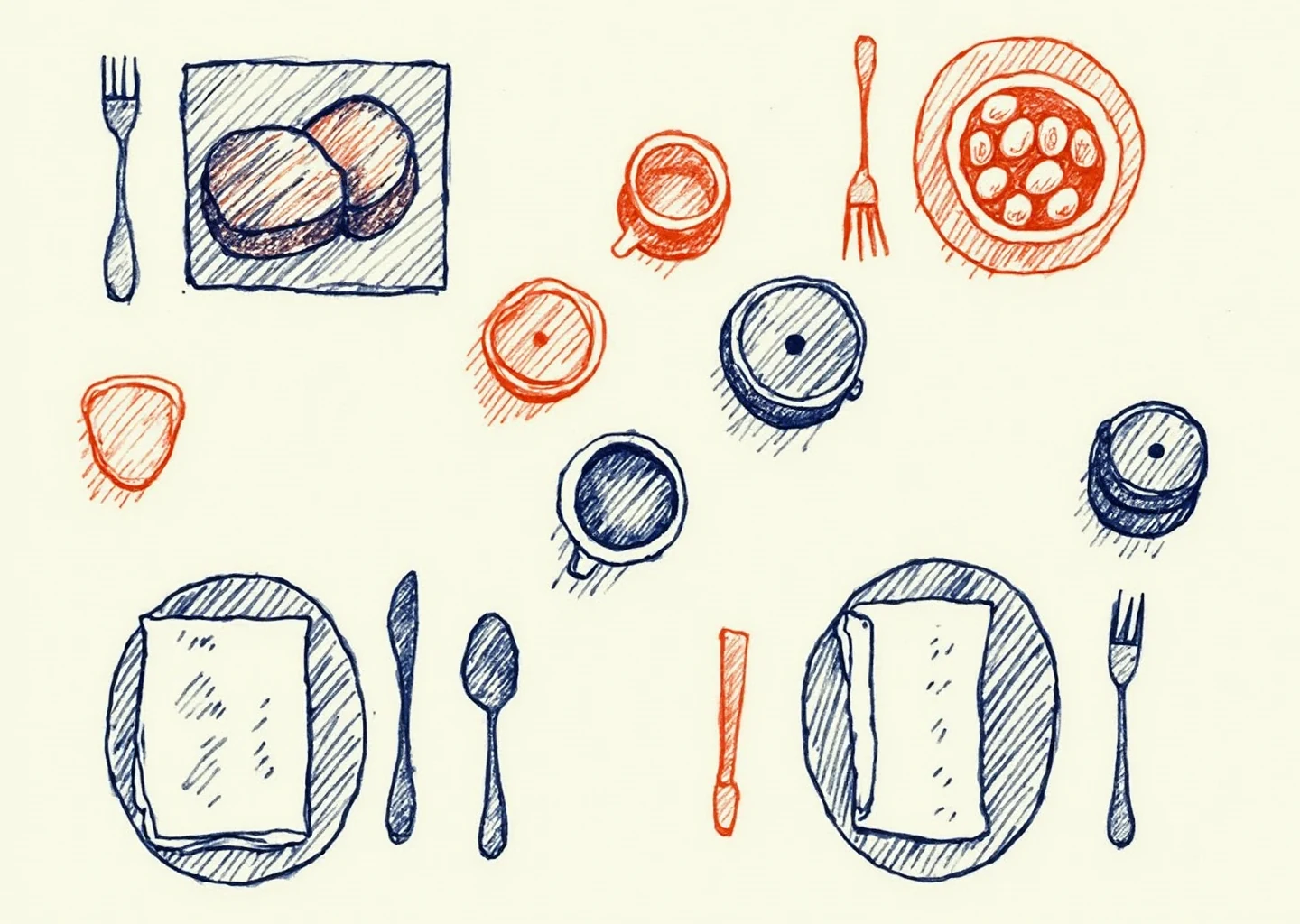
every format already exists as an object — a bag, a parcel, a strip, a stamp
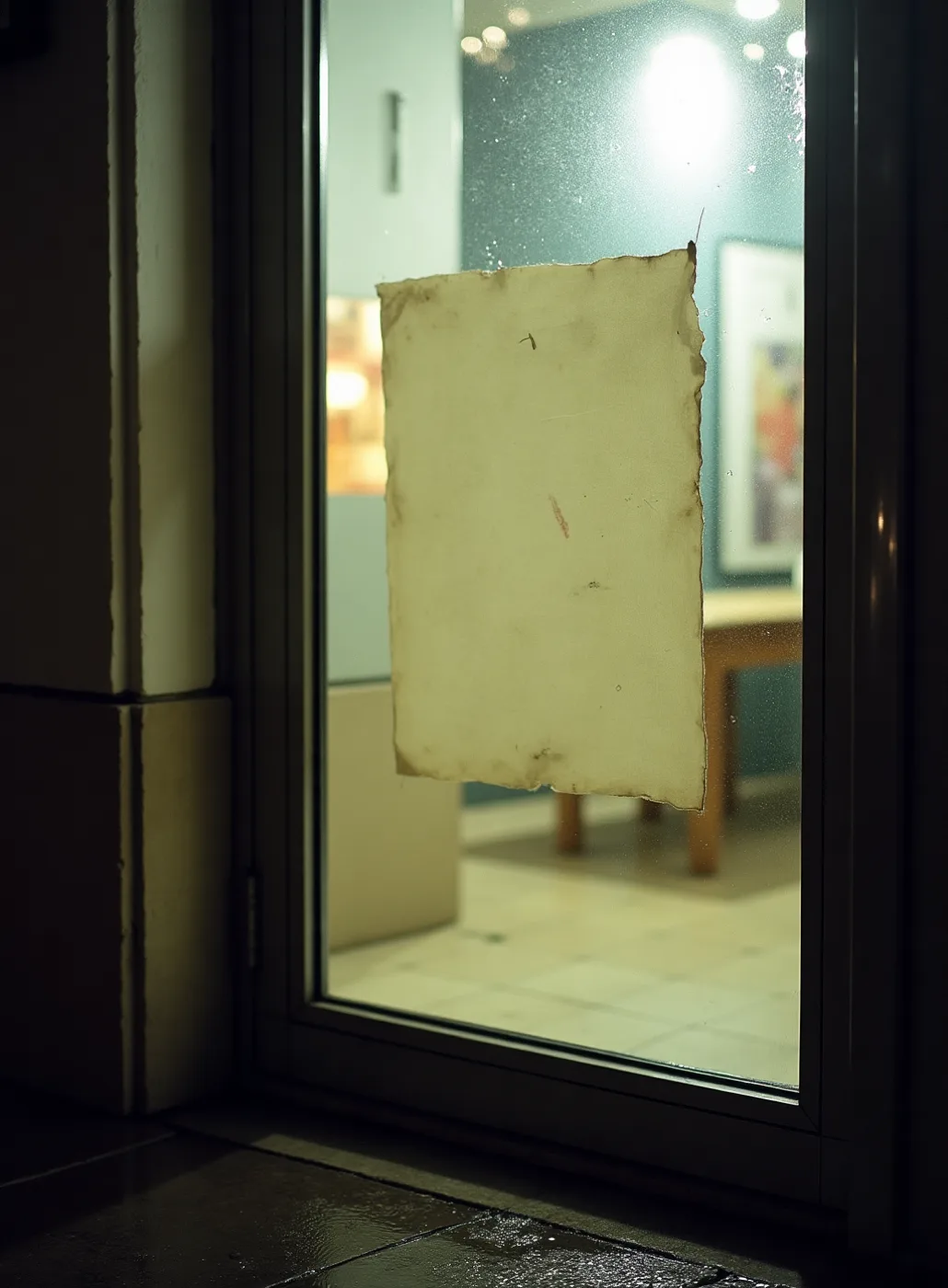
the condition the largest piece has to survive — November, wet, read from the pavement
- Whether the orange stock is on the shelf in October. The second colour is a sheet rather than an ink, which is elegant until A4 orange is out. Files are due 16 October and the dinner is 8 November — three weeks of slack and no more. Both stocks have to be bought and run through your own printer before the design commits to them, and a domestic feed tray is unforgiving much above 170gsm.
- Whether a borrowed format can carry a private joke. A docket, a notice and a numbered tag are legible to a stranger precisely because they belong to every tasca in Lisbon before they belong to your flat. Testable now: print one card with your own wording and hand it to somebody who has been to three of the ninety-nine.
- Whether printing it like an institution reads as deadpan or as cold. You wrote that if it looks like it has grown up you will genuinely cry. The joke depends on the reader hearing the understatement; somebody who doesn’t hear it reads a form.
- Whether the invitation and the menu card are the same object twice. This world answers both with a printed listing of the evening, and they are the two things people handle most. There is a real answer available — different stock, different size, the menu listing what is on the table while the invitation lists the night — but it should be chosen before this direction is, not after.